Science · Optio Academy
Investigating Science and Design Systems
A high school student gathered visual evidence across biological science, set staging, and architecture to earn credit toward high school Science.

Dr. Tanner Bowman
Founder, Optio ·
What the student did
Independent research projects in science, architecture, and production mechanics can count directly toward high school graduation. Clare, 17, investigated how living systems adapt and how technical workflows operate across creative industries.
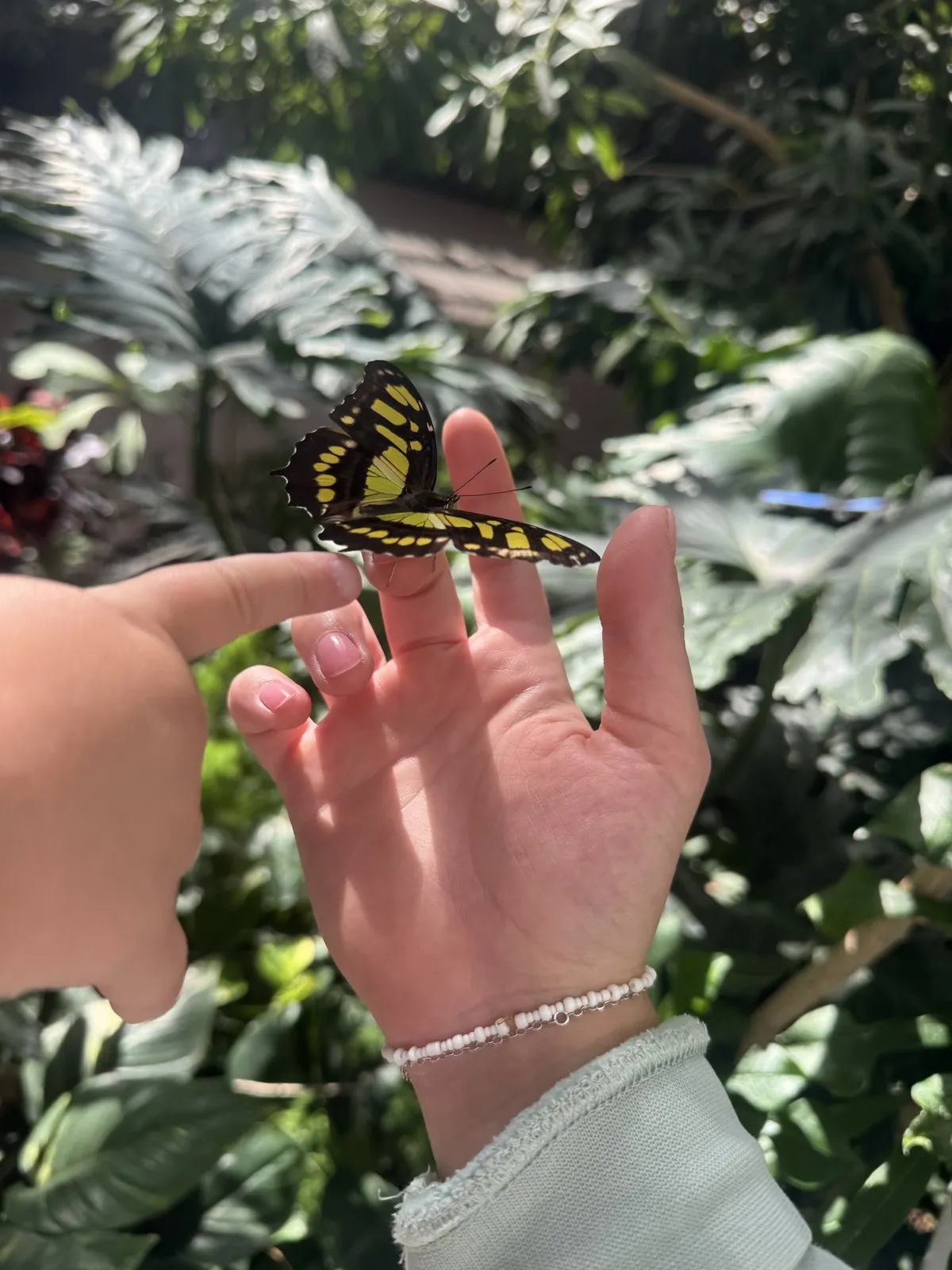
For biological science, Clare documented butterfly anatomy up close and studied research on spider web geometry alterations. For structural and media design, Clare analyzed on-set production mechanics by observing diffusion framing and artificial fog around a fountain set piece, and documented architectural layouts of a residential structure integrated into a woodland setting.
Clare also examined historical media preservation by documenting a mid-century syndicated comic postcard stored in an archival protective sleeve.
The tasks
Each task was submitted and reviewed on its own. XP is earned per task; the credit is the sum.
| Task | Subject | XP | Criteria met |
|---|---|---|---|
| Investigate Specialized Biological Adaptations | Science | 100 | 1 of 1 |
| Analyze Structural Design and Production Mechanics | Fine Arts | 50 | 1 of 1 |
| Document Cultural Artifacts and Historical Ephemera | Social Studies | 50 | 1 of 1 |
More of the evidence
Shown as submitted, minus anything the family did not agree to share.
-
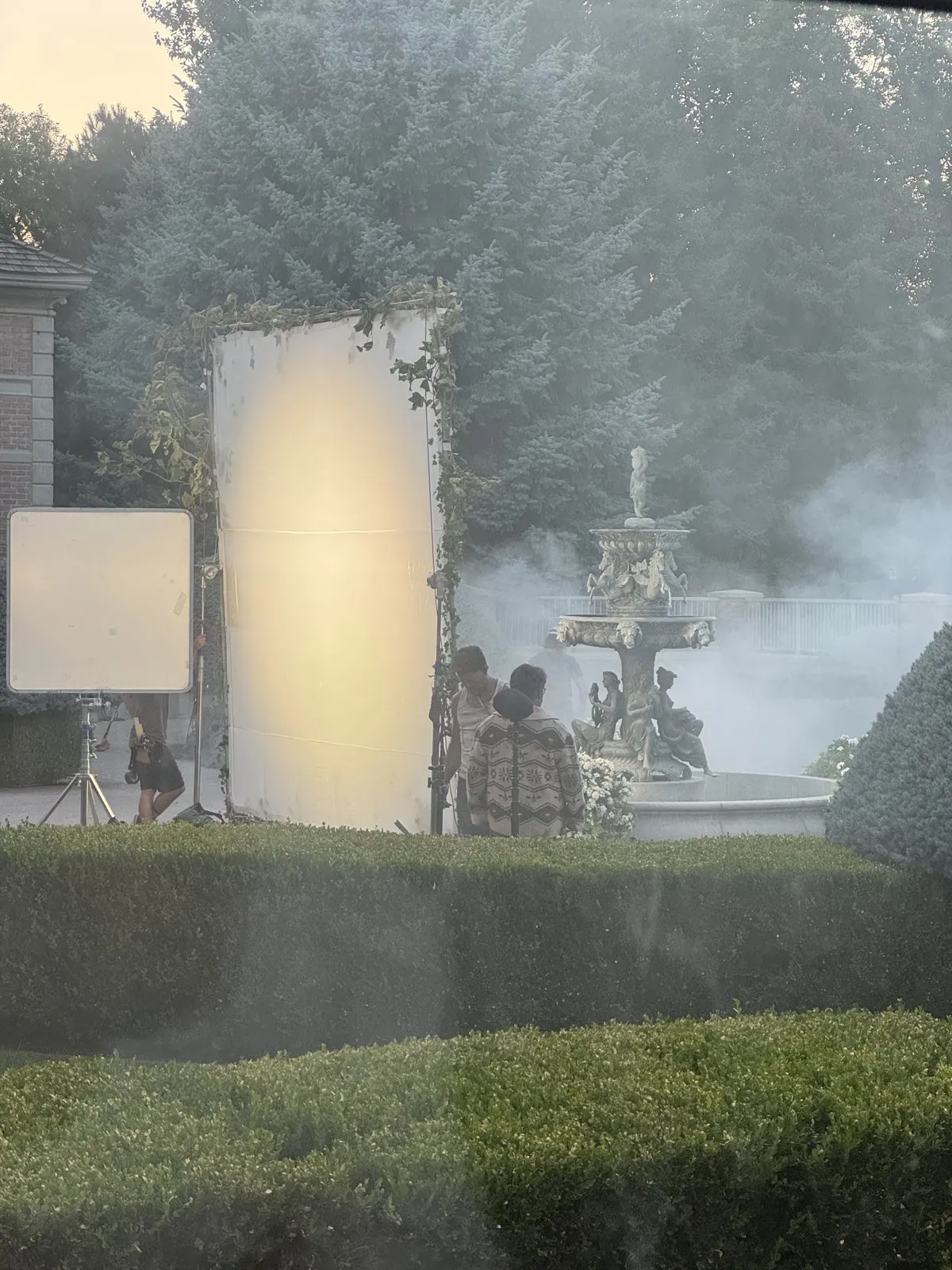
On-set production mechanics showing diffusion lighting and atmospheric fog around a fountain. -
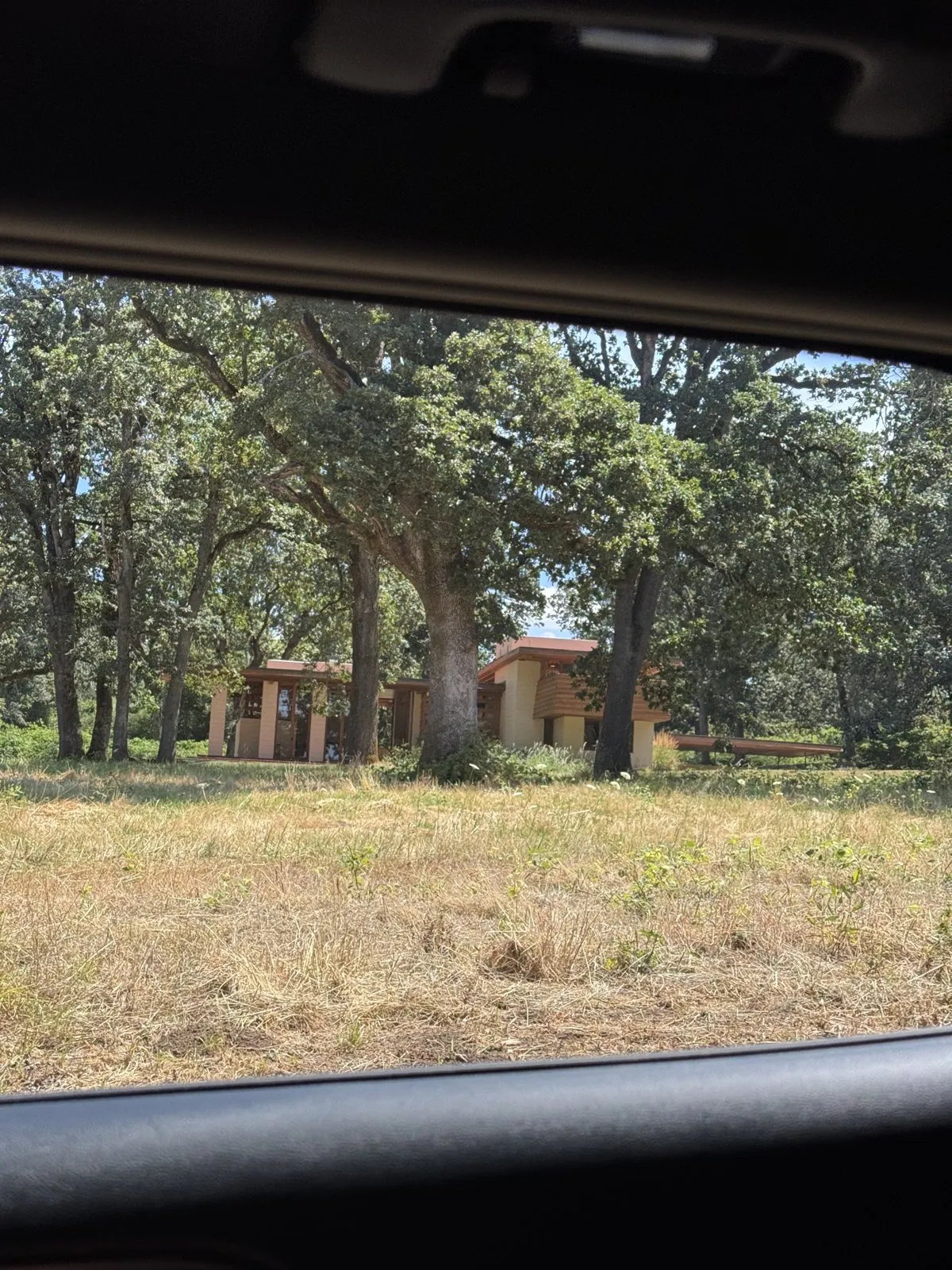
An architectural structure photographed to examine layout and integration with natural terrain.
What the teacher checked
The criteria belong to the task. An Optio teacher marked each one from the evidence.
- Partial
Research unique physiological traits and environmental responses in organisms, ranging from butterfly anatomy and echinoderm regeneration to neurological disruptions in web-building spiders.
The evidence contains a NASA document on spider webs and a photo of a butterfly, but includes no student writing, analysis, or research on echinoderm regeneration.
- Partial
Study intentional technical workflows in creative fields, focusing on Frank Lloyd Wright's architectural layouts and on-set cinematic lighting and staging.
The photos show a production set and an architectural structure, but no written analysis of the workflows or layouts was included.
- Partial
Examine vintage collectibles and antique items to understand preservation, historical media distribution, and material culture.
The photo shows a vintage comic postcard in a protective sleeve, but there is no written analysis examining its preservation, media distribution, or cultural context.
What it counted for
This project earned 200 XP toward high school Science, Social Studies, and Fine Arts credits. It serves as one project among many that build toward a full course credit at Optio Academy. A licensed teacher evaluated the primary source documentation and field photographs against curriculum standards to grant credit.
Optio students earn XP for finished work instead of letter grades. An Optio teacher reviews the evidence against the task's criteria and awards the XP. 2,000 XP is one high school credit on an Optio Academy transcript.
Science and design studies
Official transcript · Optio Academy
Questions about Optio
Can independent research and real-world documentation count for high school credit?
Yes. Students at Optio Academy can explore scientific concepts, media production, and history through hands-on investigation and real-world documentation. When evidence demonstrates core academic concepts, it counts toward graduation requirements.
How does a student project get turned into an assignment and graded?
Students propose projects aligned with their interests, define clear goals, and submit concrete evidence such as photographs, field notes, or media files. A licensed teacher reviews the submitted materials against academic standards and provides constructive feedback alongside credit approval.
How do XP and credits translate to an official high school transcript?
Optio measures course completion through XP, where 2,000 XP equals one full high school credit. As students complete projects across subjects like Science, Social Studies, and Fine Arts, their accumulated XP converts directly into standard credits on an accredited transcript.
Stories are written from real submissions on Optio. Student details are anonymized unless a family has recorded consent, and evidence is shown as submitted, minus anything a family did not agree to share. Published September 18, 2026, updated September 18, 2026.