Financial Literacy · Optio Academy
Running a Lawn Care Business for High School Credit
A high school student built and operated a summer lawn care business, earning credit toward Financial Literacy.

Dr. Tanner Bowman
Founder, Optio ·
- Student
- Clare, 17
- School
- Optio Academy
- Grade
- High school
- Subjects
-
- Financial Literacy
- Mathematics
- Physical Education
- Language Arts
- Career & Technical Education
- Social Studies
- Activity
- A summer lawn mowing business
What the student did
Starting and running an independent business can count toward high school graduation requirements. When Clare, 17, decided to operate a summer lawn care service, the real-world operational and financial planning became credited schoolwork.
Clare began by measuring practice yards to determine square footage, estimating fuel expenses, and building a tiered pricing model to ensure a sustainable profit margin. Clare created a full business budget, mapped efficient weekly transit routes across the neighborhood to minimize travel overhead, and drafted a compliance handbook covering local municipal noise limits, sidewalk safety, and green waste regulations.
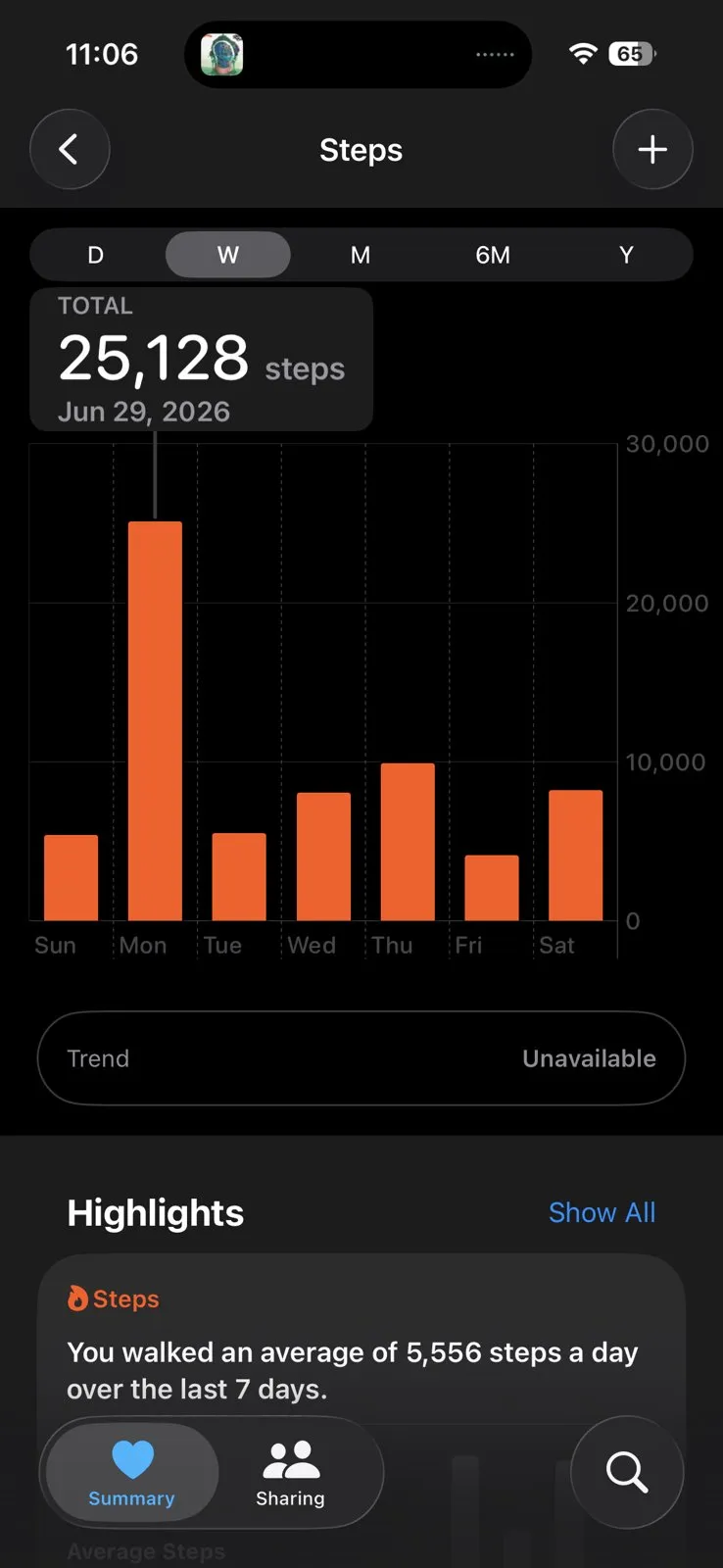
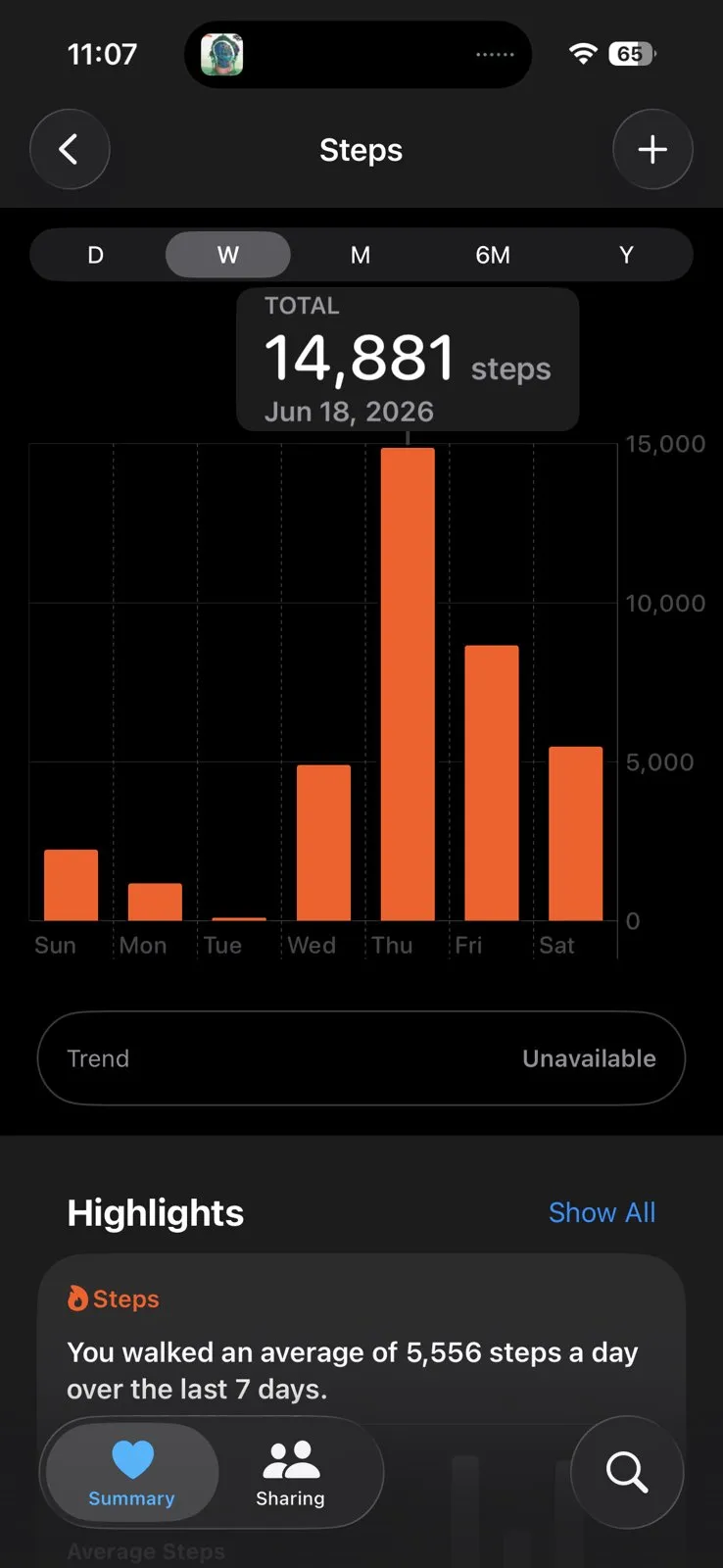
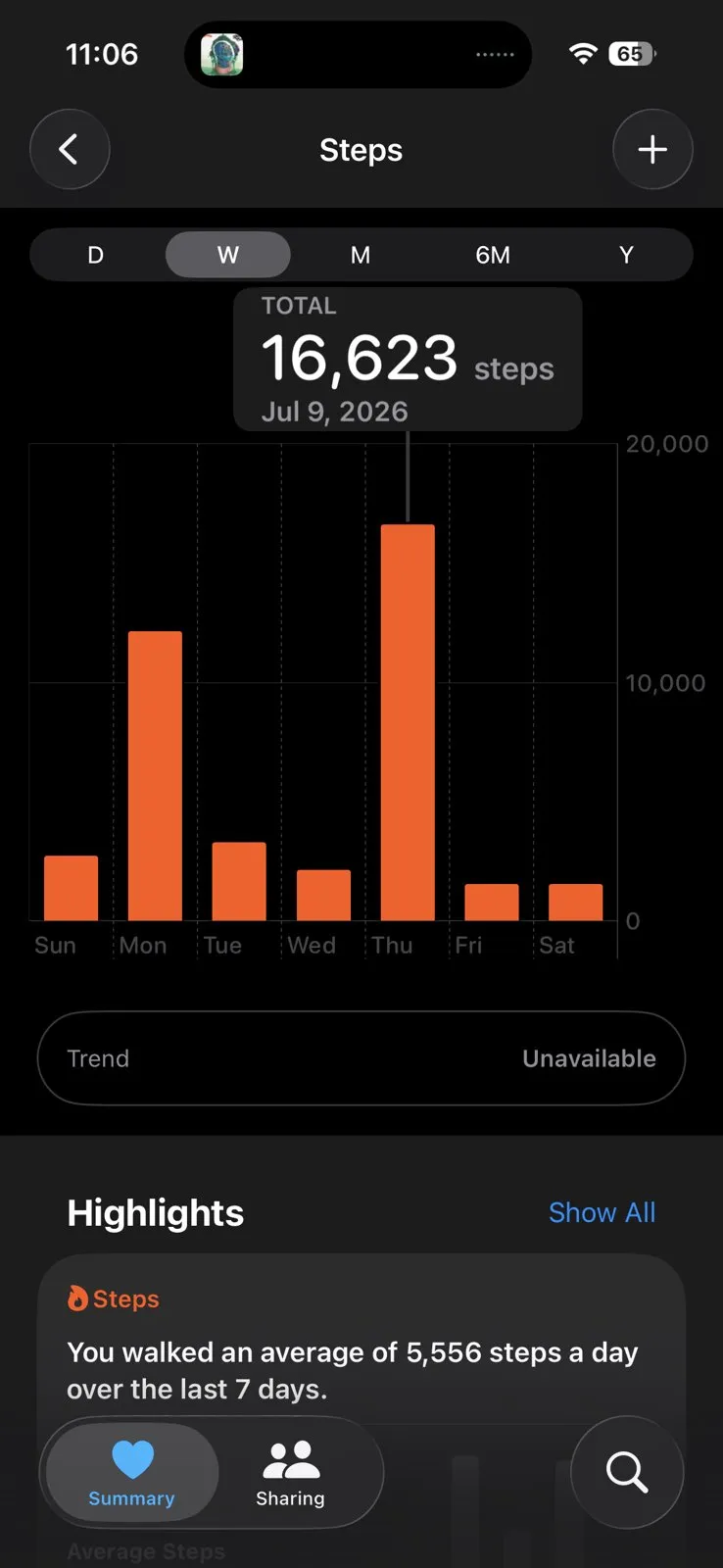
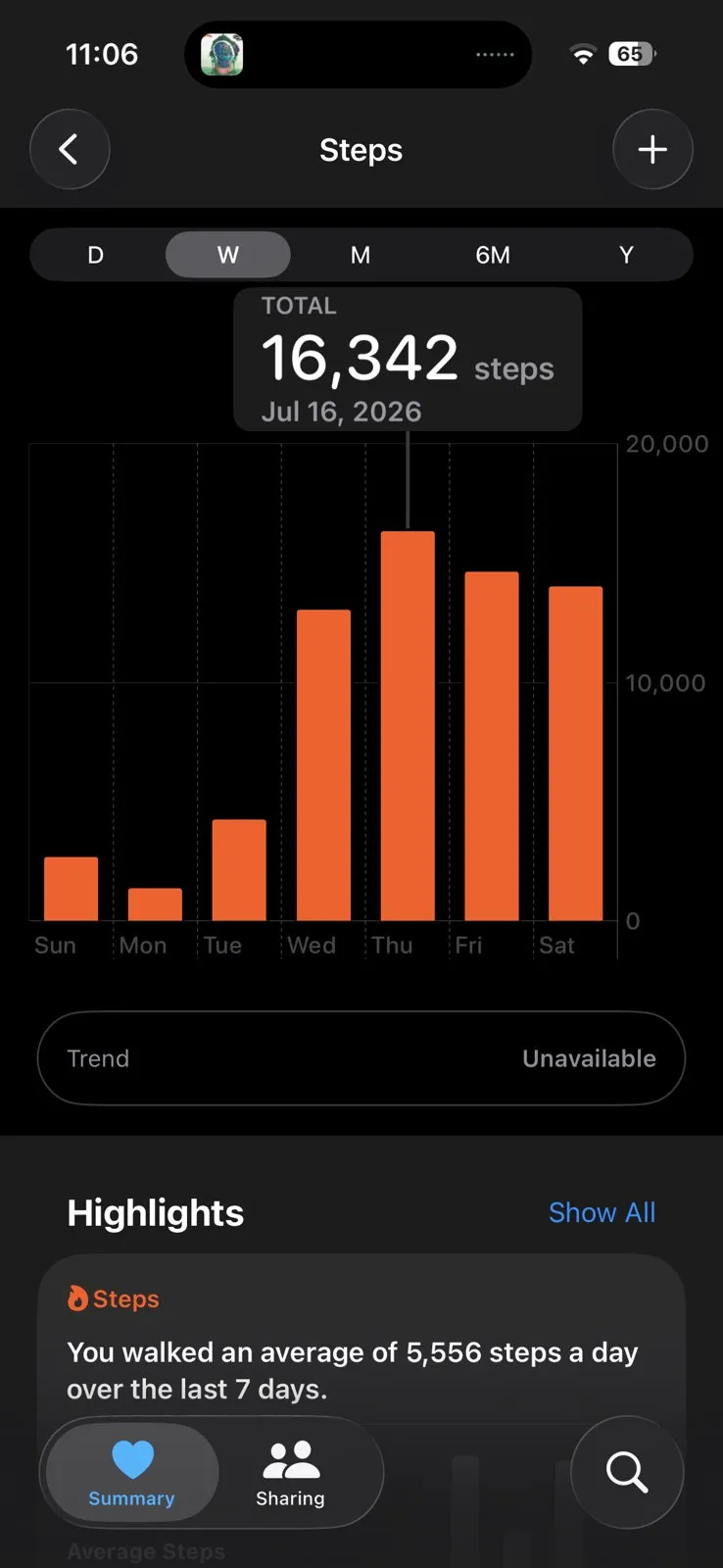
To balance the physical demands of summer labor, Clare scheduled work around high-heat conditions and logged step counts and heart rate metrics across multiple workdays, analyzing the endurance and strength demands of equipment operation alongside the business operations.
The tasks
Each task was submitted and reviewed on its own. XP is earned per task; the credit is the sum.
| Task | Subject | XP | Criteria met |
|---|---|---|---|
| Measure Lawns and Calculate Fair Prices | Mathematics | 100 | 3 of 3 |
| Build a Business Budget and Savings Plan | Financial Literacy | 100 | 3 of 3 |
| Track Your Daily Workout and Heart Rate | Physical Education | 200 | 3 of 3 |
| Research City Rules for Small Businesses | Social Studies | 100 | 3 of 3 |
| Map an Efficient Neighborhood Work Route | Mathematics | 100 | 3 of 3 |
More of the evidence
Shown as submitted, minus anything the family did not agree to share.
-
Step tracking data recorded during a full day of lawn mowing and yard maintenance. -
Daily physical activity record logged during scheduled neighborhood mowing routes. -
Weekly step count log showing sustained physical effort across consecutive work sessions. -
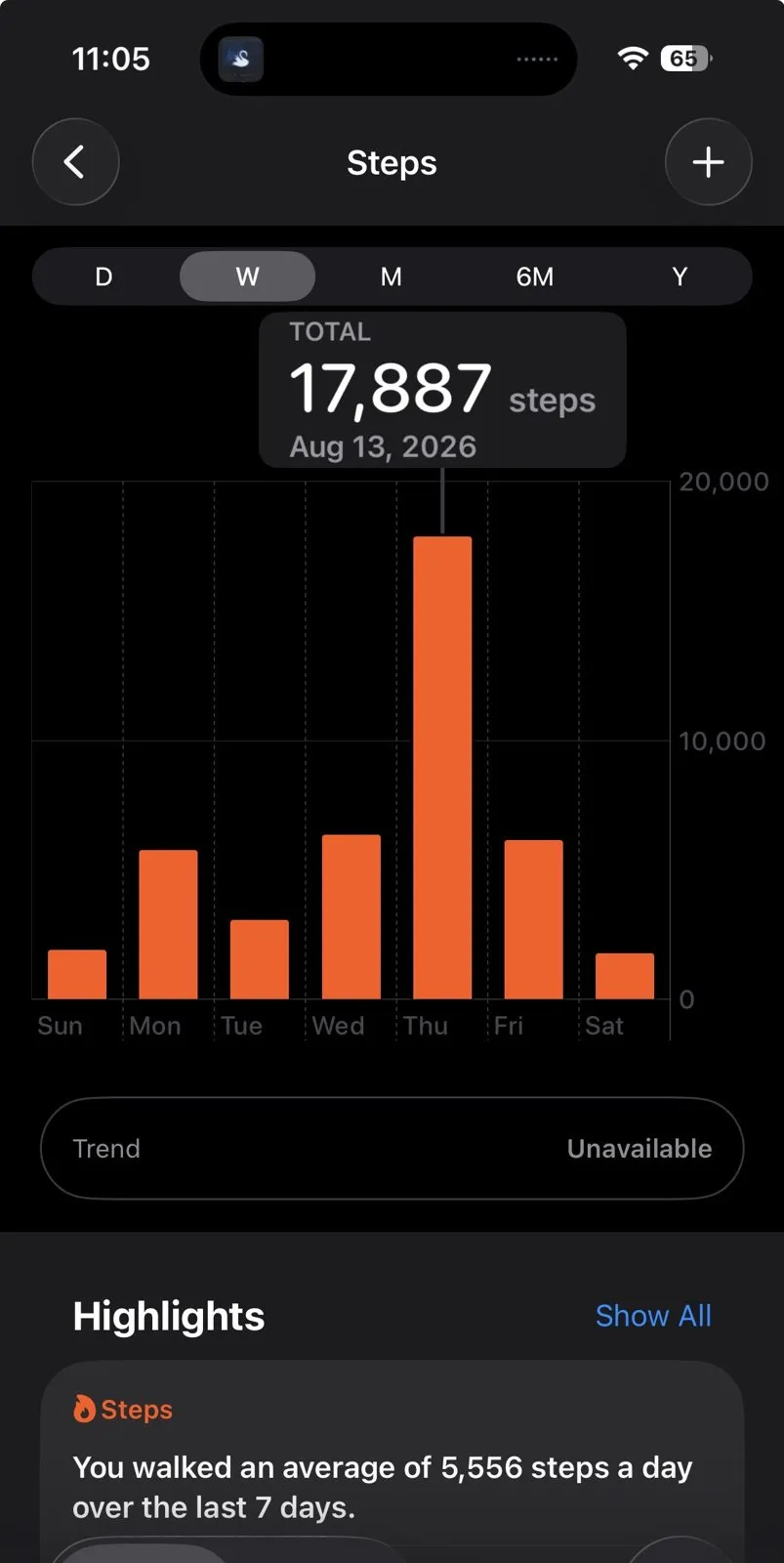
End-of-summer activity log documenting physical exertion during route completion.
-
warm up routine for 90 degree mowing days, the night before go to bed around 9-10 wake up at 6 eat a big breakfast drink lots of water before put sunscreen on fill up water bottles to take with me while mowing head out around 6:45 and get all equipment ready to start mowing by 7 while its still cool enough.
-
# Yard Work vs. Playing Sports Before I started mowing lawns regularly, I never really thought of yard work as a workout. Now I realize that mowing for 4–5 hours straight can be harder than some of the workouts I do at the gym. It is basically a long endurance workout where the goal is not just to exercise, but to finish as many lawns as possible. When I mow, I am almost constantly walking and sometimes even doing a slow jog to move faster. The faster I work, the more money I can make per hour, and the sooner I can finish the job. That makes lawn mowing different from a normal workout because I am pushing myself to keep a fast pace while also trying to do a good job. Lawn mowing also works a lot more muscles than I expected. My legs get tired from walking for hours, especially when I am going up and down hills. Uneven parts of a yard can make it even harder because sometimes I have to push the mower really hard or use my arms to lift and control it. By the end of several lawns, my arms, shoulders, and legs can all feel like I just finished a workout. Playing sports is different because the movement is usually more intense but happens in shorter bursts. In a sport like soccer or basketball, you might sprint, stop, jump, or change direction quickly, then get a break. Lawn mowing is almost the opposite. There aren't many breaks, and the challenge is keeping yourself moving for hours without slowing down....
-
1. Noise - [removed] [removed] regulates noise based on the amount of noise produced, measured in decibels. Lawn mowers, weed eaters, blowers, and other powered equipment can create significant noise, so operate them considerately and avoid unnecessarily early/late work. Noise complaints can be reported to [removed] non-emergency line. The hours for loud mowing equipment: 7am - 10 pm 2. Green waste disposal [removed] green-waste program accepts things such as grass clippings, leaves, weeds, brush, and green wood. Do not put trash, dirt, rocks, sod, stumps, or treated wood in green-waste containers. Green waste should not be placed in plastic bags. 3. Keep yard waste out of streets and gutters [removed] specifically states that dumping leaves and other yard waste into the gutter is illegal. After mowing, blowing, or edging, you should clean clippings off sidewalks, curbs, driveways, and the street rather than blowing them into the gutter. [removed] 1. Property Lines When working on someone's yard, make sure you know what part of the property you are supposed to work on. * Only work where the customer gives you permission. * Don't assume a fence or sidewalk is exactly where the property line is. * If you're unsure, ask the homeowner before working near the edge of the property. * Be careful around fences, gardens, sprinklers, trees, and flower beds. * Don't go into a neighbor's yard without permission. 2....
What the teacher checked
The criteria belong to the task. An Optio teacher marked each one from the evidence.
- Met
You measured the square footage of at least 3 practice yards
- Met
You made a pricing chart showing rates for small, medium, and large yards
- Met
You calculated your estimated hourly earnings for each yard size
- Met
You listed all startup and ongoing supplies with realistic prices
- Met
You built a spreadsheet showing projected income, expenses, and profit
- Met
You wrote a savings plan that explains how much money you will set aside each week
- Met
You logged steps and heart rate data across 5 separate yard work sessions
- Met
You created a warm-up stretching guide and hydration schedule for hot workdays
- Met
You wrote a one-page reflection comparing the physical workout of yard work to playing sports
- Met
You identified 3 local town rules on noise hours, equipment safety, or green waste disposal
- Met
You wrote a simple handbook on how to respect neighbor property lines and public sidewalks
- Met
You created a safety checklist for operating power equipment near pedestrians
- Met
You plotted at least 5 client locations on a neighborhood map
- Met
You calculated the shortest travel route and estimated transit time between each house
- Met
You built a weekly calendar showing mowing time, travel time, and buffer periods for bad weather
What it counted for
This project earned 600 XP toward a high school Financial Literacy credit. It served as one substantial project among several that build toward a full credit. A licensed teacher evaluated Clare’s pricing calculations, operational budgets, and municipal research against academic standards to award credit.
Optio students earn XP for finished work instead of letter grades. An Optio teacher reviews the evidence against the task's criteria and awards the XP. 2,000 XP is one high school credit on an Optio Academy transcript.
Summer lawn mowing business
Official transcript · Optio Academy
Questions about Optio
Can independent student businesses count toward high school credit?
Yes. Students frequently turn real-world ventures such as freelance services, craft businesses, and summer jobs into accredited schoolwork. When students document the planning, budgeting, and execution of their work, those activities align directly with academic course standards.
How does a student's project become an assignment and get graded?
Students outline specific project goals and tasks with clear criteria for completion. Once the work is finished, the student submits evidence such as spreadsheets, route maps, and research summaries, which a licensed teacher reviews against academic standards before awarding credit.
What does XP mean on an Optio high school transcript?
Optio measures course progress using XP rather than seat time, with 2000 XP equaling one full high school credit. Every completed task awards XP in relevant subject areas based on the depth of evidence submitted, which translates directly into standard credits on an official transcript.
Stories are written from real submissions on Optio. Student details are anonymized unless a family has recorded consent, and evidence is shown as submitted, minus anything a family did not agree to share. Published September 18, 2026, updated September 18, 2026.